
What Customers Ask Most About Real-Time Video Operation
One question reaches us before almost every live show: what does a video operator actually do while the cameras are running? Rhys Pemberton answers it plainly, from playback to routing.
5 min read
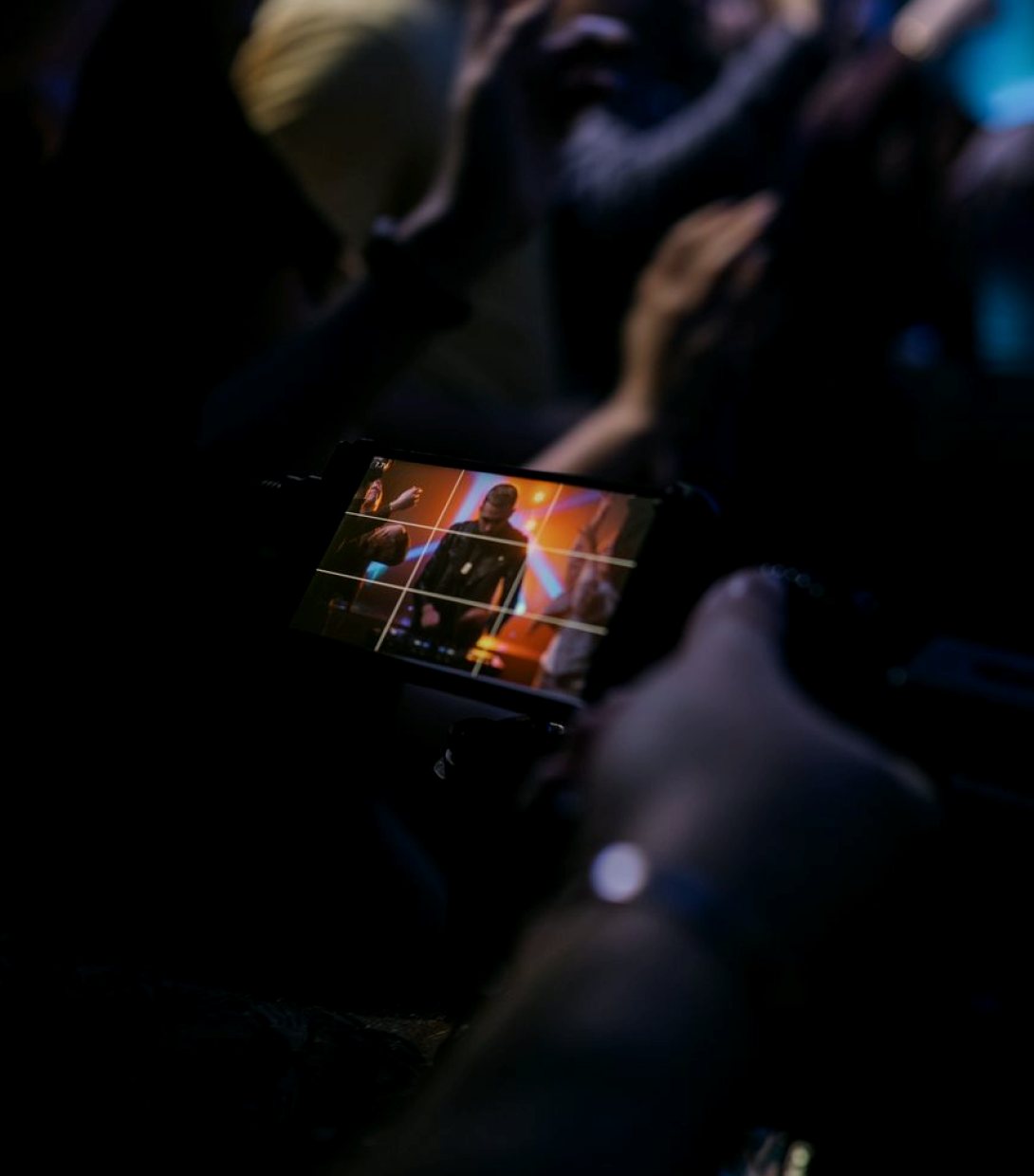
The question we hear before nearly every show
Producers and event organisers ask us the same thing in the first call: what does the person on the video side actually do once the show is live? It is a fair question, because from outside the gallery the role looks like pressing play now and then. In practice the operator is the person who makes sure every piece of pre-recorded or generated material reaches the programme at the exact moment the director calls for it.
I have worked in live galleries for over a decade, and the honest answer is that real-time video operation is about timing and trust. The director talks to the vision mixer, the vision mixer talks to the cameras, and the video operator holds everything that is not a live camera: clips, replays, graphics, stings, countdowns and the routing that moves them around the building. When that side runs well nobody notices it. That is the aim.
What sits under the operator's hands
A video operator typically works with four things at once. Playback covers opening titles, sponsor loops, walk-in music videos and any pre-edited package. Replay means capturing the live feed as it happens and cueing the best moment back within seconds. Graphics are names, scores, lyrics, lower thirds and full-screen cards, usually prepared in advance and triggered live. Routing is the matrix that decides which source feeds which destination: the programme output, the monitor wall, the stadium screens or the stream encoder.
Each of these has its own rhythm. Playback is mostly about preparation and clean cue points. Replay is about attention, because the moment you want has already happened by the time you know you want it. Graphics reward accuracy over speed, since a misspelt name is on screen for everyone to read. Routing rewards a calm, methodical mind, because one wrong crosspoint can blank a feed.
- Playback of packages, loops and stings
- Live replay capture and cueing
- Graphics triggered against a running order
- Signal routing to screens, monitors and encoders
How a cue actually lands on time
People assume the secret is fast reflexes. It is not. Cues land on time because the running order was rehearsed, the clips were checked, and the operator knows what comes two steps ahead. During a show I read the script a few lines in advance, load the next item into the player, confirm it on a preview monitor and only then wait for the director's call. By the time the word go arrives, the decision has already been made quietly beforehand.
Talkback matters as much as the equipment. A good operator confirms every instruction out loud in short, fixed phrases, so the director never has to wonder whether a request was heard. If something is not ready, the operator says so immediately and offers the nearest alternative. A calm, early warning is worth far more than a heroic recovery in the last second.
What we need from you beforehand
The second most common question is what we need from the client. The short answer is material and a running order. Send clips in the format and frame rate you intend to broadcast, with names that match the script. Send graphics text as final as you can make it, including spellings of every name and title. If lyrics, scores or captions will change during the show, tell us who approves the changes and how quickly we can expect them.
We also ask for a contact who can make decisions on the day. When a sponsor card arrives late or a speaker overruns, the operator and director need one clear voice, not three conflicting ones. Accurate pre-show information shortens our setup, lowers the risk of surprises and lets the crew spend rehearsal time on timing rather than file conversions.
- Clips in the agreed format and frame rate
- Final graphics text with checked spellings
- A running order and a named decision-maker
- Clear notes on anything likely to change live
What happens when something goes wrong
Nobody who has worked live will promise that nothing ever fails. A clip can refuse to play, a source can drop, a graphic can load with the wrong text. What we promise is a plan for it. Important items are kept in more than one place, a spare playback route is always set up, and the operator knows which fallback card or loop goes to air if the director needs a moment.
The test is how quickly the audience stops noticing. A good recovery is a clean cut to something safe, a short message on talkback and a fix made out of sight. We rehearse these moments deliberately during setup, because the first time you discover your fallback should not be during a live broadcast. Clients are often reassured by how ordinary this sounds. It is ordinary, and that is the point.
Is it the right service for your show
Not every production needs a dedicated video operator. A single-camera talk with one opening title can be handled by the vision mixer. The role earns its place once a show carries replays, a graphics package, several playback sources or more than one output to feed. Concerts with screen content, festivals with sponsor loops and streamed events with lower thirds usually reach that point quickly.
If you are unsure, describe the show to us and we will say plainly whether you need the role and for how much of the day. Sometimes the answer is a full-day operator, sometimes only the busiest hours, and occasionally it is no extra person at all. We would rather give you an accurate answer than add a name to the crew sheet.
Real-time video operation is quiet, careful work: clips checked, graphics proofed, routes confirmed and cues called back clearly. If you are planning an event or broadcast this autumn and want to know whether it needs this role, call us on 01305 264817 or use the contact form, and I will talk it through with you.
You may also like
-
Planning a Live Show: A Producer's Guide to Crews, Schedules and Rehearsals
A practical walk through how production management holds a live television or streaming show together, from the first crew list to the final rehearsal before going to air.
-
Two stages, one field: how Marcus's autumn gig reached the big screens
A short account of one client's evening concert, a mobile gallery parked beside the stage, and the quiet decisions that kept the picture steady when the weather turned.
-
Hiring a Producer Per Show or Retaining One: Which Suits Live Work
Two ways to set up production management for television and streaming: a producer and technical manager booked show by show, or a retained team across a season. A comparison and a recommendation.
Get in touch
Write to us: hello@storylinki.info