
Two stages, one field: how Marcus's autumn gig reached the big screens
A short account of one client's evening concert, a mobile gallery parked beside the stage, and the quiet decisions that kept the picture steady when the weather turned.
6 min read
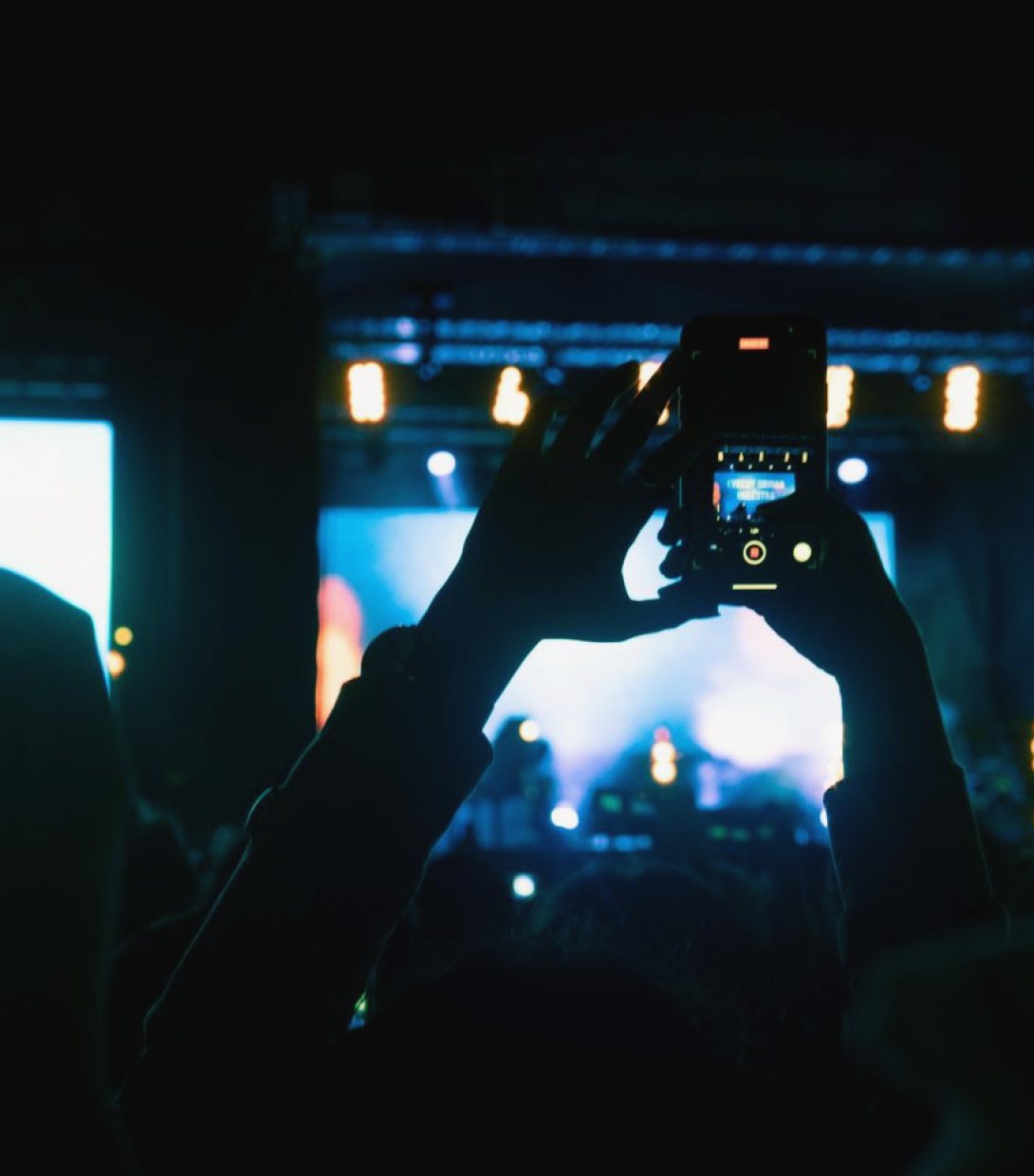
The call from Marcus
Marcus runs a small events company and rang us in the first weeks of the season with a problem he described in one sentence: his outdoor concert had two stages and a crowd that could not see either from the back of the field. He wanted large screens, a recorded show for the sponsors and no drama on the night.
I listened more than I talked. The brief was ordinary in its outline and difficult in its details: a mixed bill of local acts, a field with a slope, a power supply shared with the catering village and a start time that could not move because the licence ended at ten. We agreed to walk the site together before anything else was decided.
That walk shaped everything. Marcus pointed out where the crowd would gather, we marked where cable could run without crossing a footpath, and he mentioned, almost as an aside, that the second stage would host the quietest acts. That small remark changed how we planned camera positions.
Choosing where the gallery should sit
A mobile gallery is only useful if the people inside it can see and hear what matters. We placed ours behind the front of house position, close enough for the director to glance at the real stage between shots, far enough that crowd noise did not leak into the talkback.
Callum, our technical engineer, spent the morning on signal routing. Every camera feed, the two screen outputs and the recording path were mapped on paper before a single connector was plugged in. It sounds fussy, but a labelled map is what lets a crew fix a fault in seconds instead of minutes.
We kept the roaming crew small: three camera operators, one on a long lens at the back of the field and two close to the stages. Marcus asked whether that was enough. I told him it was enough for the show he described, and that adding people would only add voices on the comms.
- Gallery placed with a clear sightline to the main stage
- Every feed mapped and labelled before connection
- Small roaming crew, one talkback channel
Rehearsal and the quiet acts
Rehearsals at a festival are short and rarely polite. Each act gets a few minutes, and the cameras must learn the shape of a performance in that time. Hannah, who cut the show, asked each act how they moved on stage and whether anything unusual was planned.
One singer told her she would walk into the crowd for the last song. That detail mattered. We sent a roaming operator with a radio camera to meet her, and Hannah prepared a clean cut from the stage wide to the aisle shot, with a slower mix back afterwards.
The quiet acts needed the opposite treatment: fewer cuts, longer holds and close shots that let the audience lean in. A gentle show cut too fast feels nervous on a big screen, and the crowd notices without knowing why.
When the weather turned
Mid autumn evenings are unforgiving. An hour before doors, a band of rain moved across the field, and the wind picked up enough to worry the long-lens operator on his platform. Marcus came to the gallery looking, quite reasonably, like a man doing sums in his head.
We covered the cameras, moved the back-field operator onto a sheltered position beside the front of house tent and accepted a slightly wider shot for the screens. Nothing dramatic, just a decision made early and explained clearly to everyone on comms.
The wet lens was the real risk. We kept a spare body and a cloth at each position and agreed a simple call: if an operator said soft, the director would cut away within a few seconds. It happened twice during the evening, and the audience never saw it.
- Camera rain covers fitted before the first act
- Fallback shot agreed for the exposed position
- Spare camera body held at each stage
The show itself
The evening ran to time. Hannah cut the opening act with energy, settled into longer holds for the middle of the bill and saved the walk into the crowd for the final song. The big screens showed a calm, readable picture, and people at the back of the field clapped when the singer appeared in the aisle.
Rhys, that is, me, spent most of the night on the headset, calling shots ahead of the cut and keeping the talkback quiet. A good director in a gallery says very little. The work is done in the planning, and the night itself is mostly about not changing your mind.
Marcus stood near the gallery door for the last two songs. He did not say much, which in my experience is the best review a client can give.
What we took away from it
Afterwards Marcus sent the recorded show to his sponsors and asked us to quote for a spring date. We did not treat that as a prize. It simply confirmed that a concert broadcast succeeds when the planning is done on the site, in person, with the person who knows the crowd.
For our own crew the lessons were small and practical. Walk the field early, label every cable, ask each act about their movement and agree a fallback before the rain arrives. None of it is clever, and all of it matters.
If you are planning a similar event, bring us the slope, the power supply and the licence time. Those three things tell us more about your broadcast than any equipment list.
Marcus's evening was not remarkable for its scale. It worked because the gallery was placed with care, the crew stayed small and every decision about weather and camera positions was made before it was needed. Concert and festival broadcasts reward this kind of unglamorous preparation. If you have a field, a stage and a start time that cannot move, a site walk with our crew is the first step, and it costs nothing but an hour of your morning.
You may also like
-
Planning a Live Show: A Producer's Guide to Crews, Schedules and Rehearsals
A practical walk through how production management holds a live television or streaming show together, from the first crew list to the final rehearsal before going to air.
-
Getting Streams Ready for the Darker Months Ahead
Autumn and winter bring earlier dusk, colder venues and more indoor events. Rhys Pemberton sets out how to prepare a live stream for these weeks, from lighting to connection checks.
Get in touch
Write to us: hello@storylinki.info