
Two Ways to Cut a Live Show: Fixed Script or Open Cutting
A comparison of cutting to a camera script against cutting by ear and eye, what each asks of a vision mixer and which one we recommend for most live shows.
6 min read
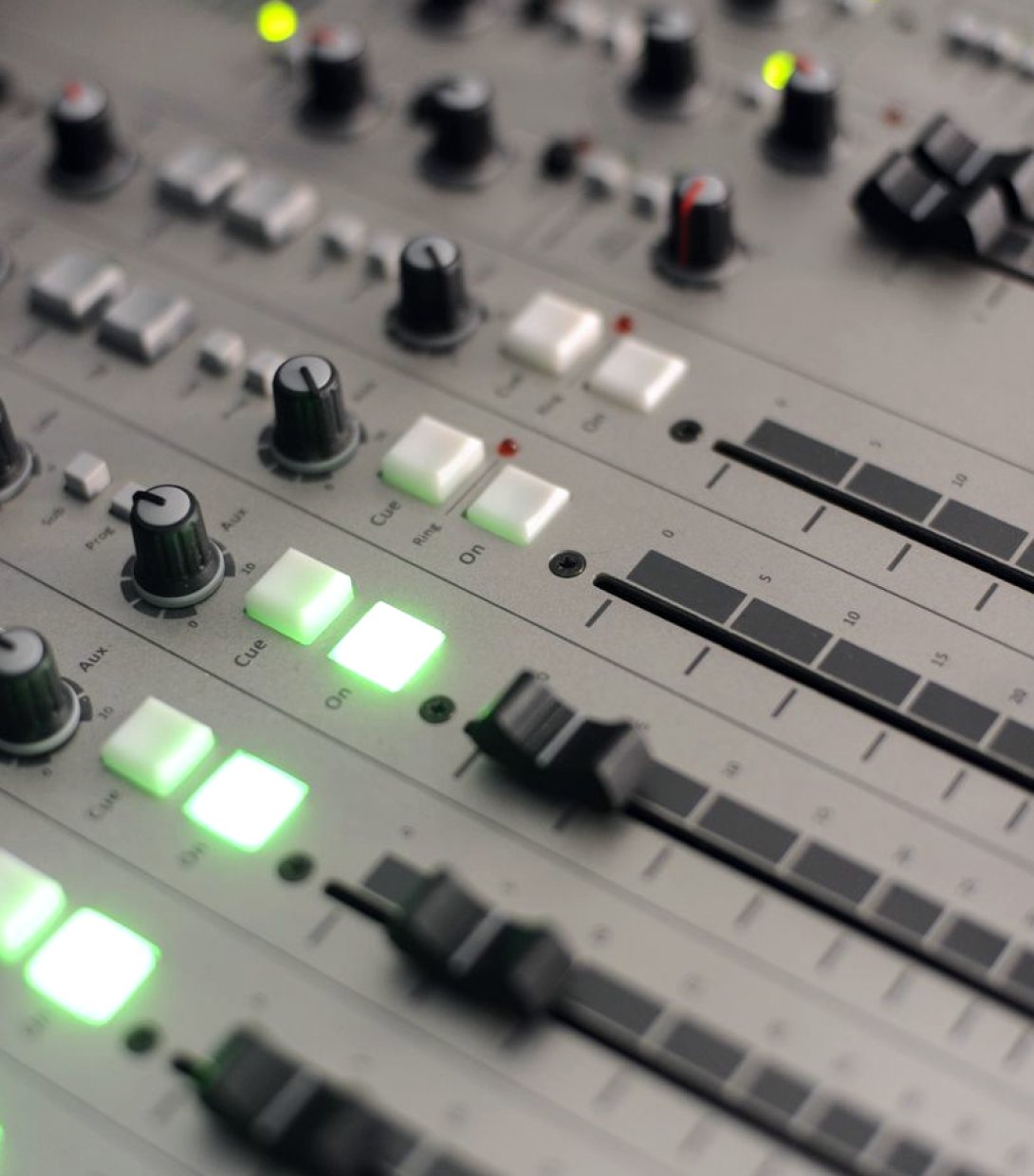
Two options on the same desk
Every vision mixer meets the same choice before a show goes to air. One option is to cut to a camera script: a numbered list of shots, written in rehearsal, called by the director and followed by the mixer cue by cue. The other is open cutting, where the mixer reads the performance and chooses the next angle as the moment unfolds, with only a loose plan behind them.
Both are legitimate ways of working, and both can produce a clean programme. They differ in where the decisions are made. With a script, most of the thinking happens before the doors open. With open cutting, the thinking happens live, in fractions of a second, with the whole bank of camera monitors in front of you.
I have worked both ways on concerts and studio programmes, and the right answer depends less on taste than on how predictable the show really is.
Cutting to a camera script
A script gives everyone in the gallery the same map. The director calls shot twelve, the mixer takes camera three, and the camera operators know in advance when they will be wanted and when they can reframe. Timing becomes a matter of discipline rather than instinct, which is a real comfort on a long show with many hands involved.
The strength of a script is repeatability. If a studio programme has fixed running order, set questions and rehearsed guests, a script lets a calm crew deliver it the same way each time. New crew members can be briefed from the page, and talkback stays short because most of the answers are already written down.
The weakness is rigidity. A script cannot know that a singer will step off the mark, or that a guest will answer a question nobody planned for. When the show departs from the page, a mixer who only follows the page is a beat behind.
- Best for studio shows with a fixed running order
- Short talkback, since decisions are made in advance
- Easy to brief a new crew member from the page
- Weak when performers or guests go off plan
Open cutting by ear and eye
Open cutting asks the mixer to treat the music, the speech and the movement on stage as the script. A cut lands on a phrase ending, a drummer lifting a stick, a presenter turning their head. The mixer needs to know the material well enough to anticipate it, and needs camera operators who frame loosely enough to give several usable options at once.
This approach suits concerts and festival sets, where the performance is the plan and no two nights are identical. It gives pictures that feel alive, because every cut answers something that has just happened rather than something that was written last week.
The cost is concentration and risk. A mixer cutting freely has no safety net, and a late or wrong cut cannot be reasoned away afterwards. It also depends on the director trusting the mixer, so that talkback can stay quiet and not talk over the moment.
What each option asks of the crew
A scripted show asks for preparation time. Rehearsal has to be long enough to build the shot list, and the camera operators have to learn their cues. If the schedule only allows a line check and a soundcheck, a detailed script will be half-learned on the night, which is worse than having no script at all.
Open cutting asks for different preparation: listening time. The mixer needs to hear the set list or read the running notes, and the camera team needs a clear shared idea of who covers which performer. Strong, steady camera operators matter more here than a thick document.
In both cases the gallery works best when roles are clear. The director chooses the story, the mixer executes the cut, and the technical engineer keeps the signal path safe underneath them.
- Script: needs rehearsal time and a printed or shared shot list
- Open cutting: needs familiarity with the material and loose framing
- Both: need clear roles and calm, short talkback
Where each one goes wrong
The typical failure of a scripted show is the mixer who keeps cutting to the numbers after the show has changed. The picture is technically correct and editorially dead: the camera arrives on a performer who has already left the spot. A script should be a starting point the mixer is allowed to depart from, not a contract.
The typical failure of open cutting is the opposite: an anxious mixer who cuts too often because no instruction says to hold. Pictures flicker, nothing breathes, and the audience feels the nervousness without knowing why. Holding a wide shot for a long phrase is a decision, and a good one.
Neither failure is about talent. Both come from choosing the wrong method for the show, or from refusing to adapt once the show is running.
What I recommend
For most live productions I recommend a hybrid with a clear lean. Write a light script for the fixed points: opening, handovers, guest introductions, the ending. Leave everything between those points to open cutting, guided by agreed camera responsibilities. The script protects the moments that must be exact, and the open cutting keeps the rest alive.
For tightly timed studio programmes, lean further toward the script. For concerts, festivals and anything built around a performance, lean toward open cutting and keep the script to a one-page outline.
Whichever way you lean, agree it with the director and the camera team before rehearsal, so nobody discovers the method for the first time while the show is live.
A scripted cut gives certainty and open cutting gives life; the best live shows borrow from both. Fix the moments that must be exact, trust a prepared mixer for the rest, and settle the method with the whole gallery before rehearsal starts. If you are planning a show and are unsure which way to lean, talk to us early, because that choice shapes the schedule, the crew and the rehearsal plan.
You may also like
-
How our roaming crews and mobile gallery approach autumn concerts
A look at how the Concert and Festival Broadcast offer works in practice these weeks: the roaming camera crews, the mobile gallery and what organisers can expect from us on site.
-
Bitrate, Keyframes and Latency: Streaming Terms Explained Plainly
A producer's plain-words guide to the numbers on a streaming encoder: what bitrate, keyframe interval and latency actually mean, and why each one changes what your audience sees.
Get in touch
Write to us: hello@storylinki.info