
How our roaming crews and mobile gallery approach autumn concerts
A look at how the Concert and Festival Broadcast offer works in practice these weeks: the roaming camera crews, the mobile gallery and what organisers can expect from us on site.
5 min read
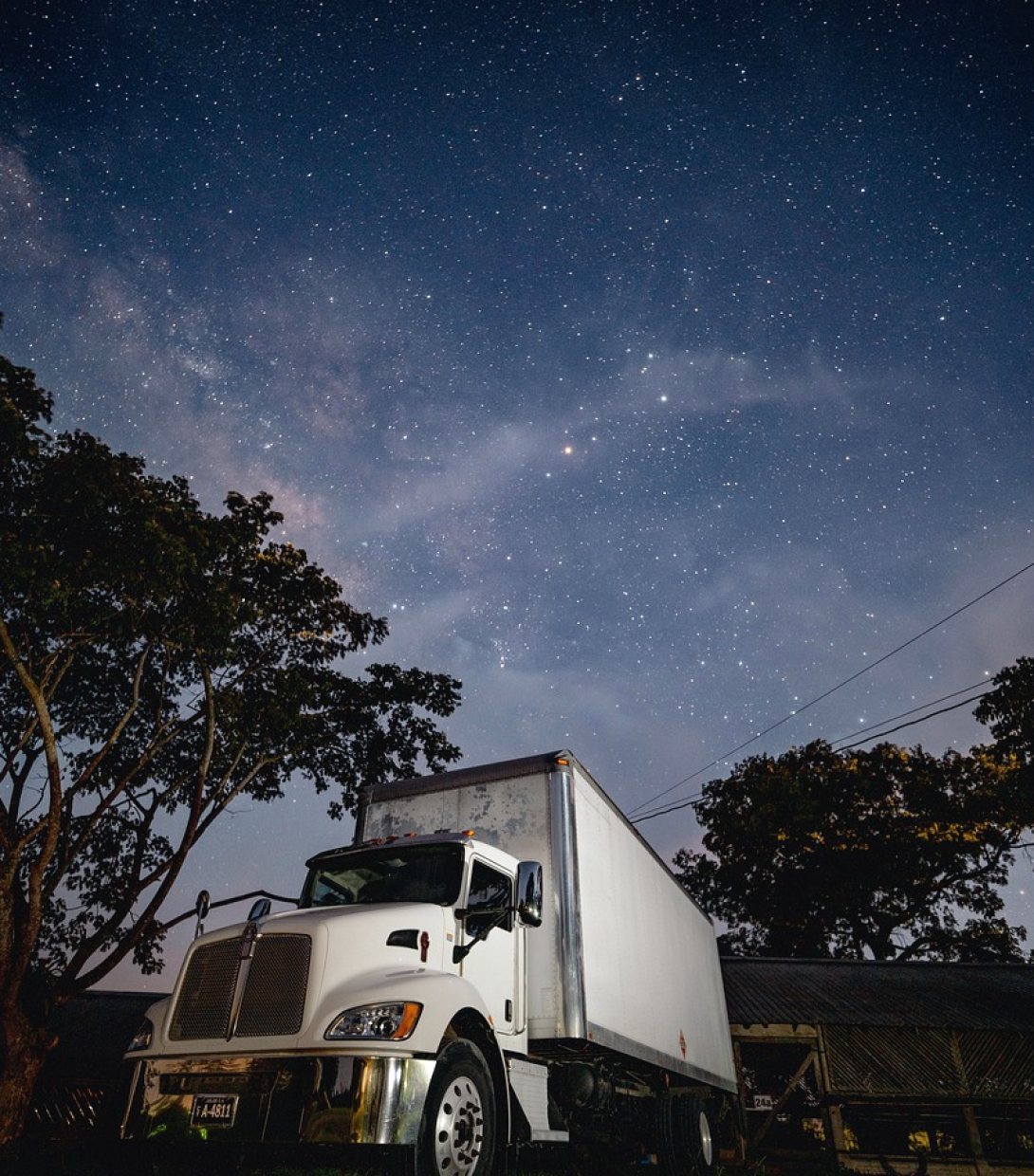
What the offer covers
Our Concert and Festival Broadcast service pairs roaming camera crews with a mobile gallery, so a stage performance can reach screens in the venue, on a stream or on a television programme. It is one of the six things we do, and it is the one that takes us furthest from Dorchester.
The mobile gallery is a compact control room we can set up close to the stage. It holds the vision mixing desk, replay and graphics operation, monitoring and comms, so the director and the crew work in the same way they would in a fixed studio gallery.
The roaming crews carry the cameras on the day: some fixed on stands, some handheld near the stage or in the crowd. Each operator is on talkback to the gallery and takes direction live, shot by shot. We scale crew and equipment to the size of the event and agree the plan with the organiser beforehand.
- Roaming camera crews on talkback
- A mobile gallery set up near the stage
- Switching, replay and graphics operated live
- Scaled to the size of the event
Why autumn changes the plan
Mid autumn brings shorter days, and that shapes almost every decision on an outdoor or tented event. Light fades earlier, so a set that starts in daylight can finish under stage lighting alone, and the cameras have to cope with both.
We talk to the lighting team early about how the stage will look at each point in the running order. A camera that gives a clean picture at four in the afternoon may need different settings by the headline act, and it is far better to know that during rehearsal than during the show.
Weather is the other factor. Damp air, wind and cold affect cables, connectors and people. We plan covered positions for the gallery and the cameras, protect cable runs where they cross walkways, and allow extra time for setting up when ground conditions are poor.
Setting up the mobile gallery
Before anything is unpacked, we walk the site with the organiser. We look at where the gallery can stand, how far it is from the stage, where power comes from and how cable will reach the camera positions without crossing the audience route.
Callum Ashworth, our technical engineer, builds the signal routing and comms for each production, and he works through the layout before the day. The aim is that when the crew arrives, each feed has a known path, each operator has a headset and each monitor shows what the director expects.
We then test every camera, the talkback and the outgoing feed before doors open. A quiet check with the stage crew while the band is still sound checking catches most problems while there is still time to fix them without pressure.
- Site walk with the organiser
- Agreed power and cable routes
- Full test of cameras, comms and outgoing feed
How the show is cut live
Once the performance starts, the gallery runs to a plan but responds to what happens on stage. The director calls shots, the vision mixer cuts between cameras, and the crews adjust to the performers as they move.
A concert is usually cut to the music. That means timing changes on the beat or at the phrase, holding wide shots when a song builds, and moving in close for solos. Hannah Whitcombe, our senior vision mixer, is known for steady timing on fast-moving shows, which matters most when a set changes pace without warning.
Graphics and replay are handled by a separate operator, so the person cutting the show can concentrate on the pictures. Lower thirds, sponsor slates and playback of any pre-recorded material are cued in the same running order as the music.
What we ask of organisers
We work best when we receive the running order, stage plan and lighting plan in good time. Even a rough version helps us decide how many cameras to place and where, and whether the crew can cover the whole stage from fixed positions.
We also ask who needs the feed and where it is going. A screen in the venue, a live stream and a television recording can have different requirements for graphics, audio and delay, and it is simpler to settle that before the day than to change it halfway through.
Finally, tell us about any restrictions: areas the audience will fill, performers who do not want cameras close, or points at which the broadcast must stop. We would rather hear these early and plan around them than discover them during the show.
- Running order and stage plan
- Lighting plan, even in draft
- Where the feed is going
- Any restrictions on camera positions
Planning an event this season
If you are organising a concert or festival in the coming weeks, the most useful first step is a conversation about what you want the audience to see and where. From there we can describe the crew, the gallery set-up and the time needed on site.
We keep communication plain throughout. You will know who is directing, who is on the desk and who to speak to on the day, and we confirm the plan in writing before we travel.
Rhys Pemberton leads our control room crews, and I direct from the gallery myself wherever the production allows. Our commitment is calm delivery: a clear plan, a prepared crew and a picture that holds together from the first song to the last.
A concert broadcast succeeds or fails on preparation, and autumn only makes that more true. Short days, damp ground and changing light all reward an early site walk, a clear running order and a crew that has tested every feed before the audience arrives. If you are planning an event, get in touch and we will talk through what your stage and your audience need.
You may also like
-
What Real-Time Video Operation Costs and What Moves the Price
Playback, replay, graphics and routing run live each carry a cost. This note sets out what shapes a quote for real-time video operation and where a producer can keep spending sensible.
-
Concert and Festival Broadcast: Preparing for the Colder, Darker Months
Priya Nandra walks through what changes when a stage broadcast moves into late autumn and winter: shorter daylight, damp cable runs, early sunsets and the planning that keeps a roaming crew steady.
Get in touch
Write to us: hello@storylinki.info