
Concert and Festival Broadcast: Preparing for the Colder, Darker Months
Priya Nandra walks through what changes when a stage broadcast moves into late autumn and winter: shorter daylight, damp cable runs, early sunsets and the planning that keeps a roaming crew steady.
6 min read
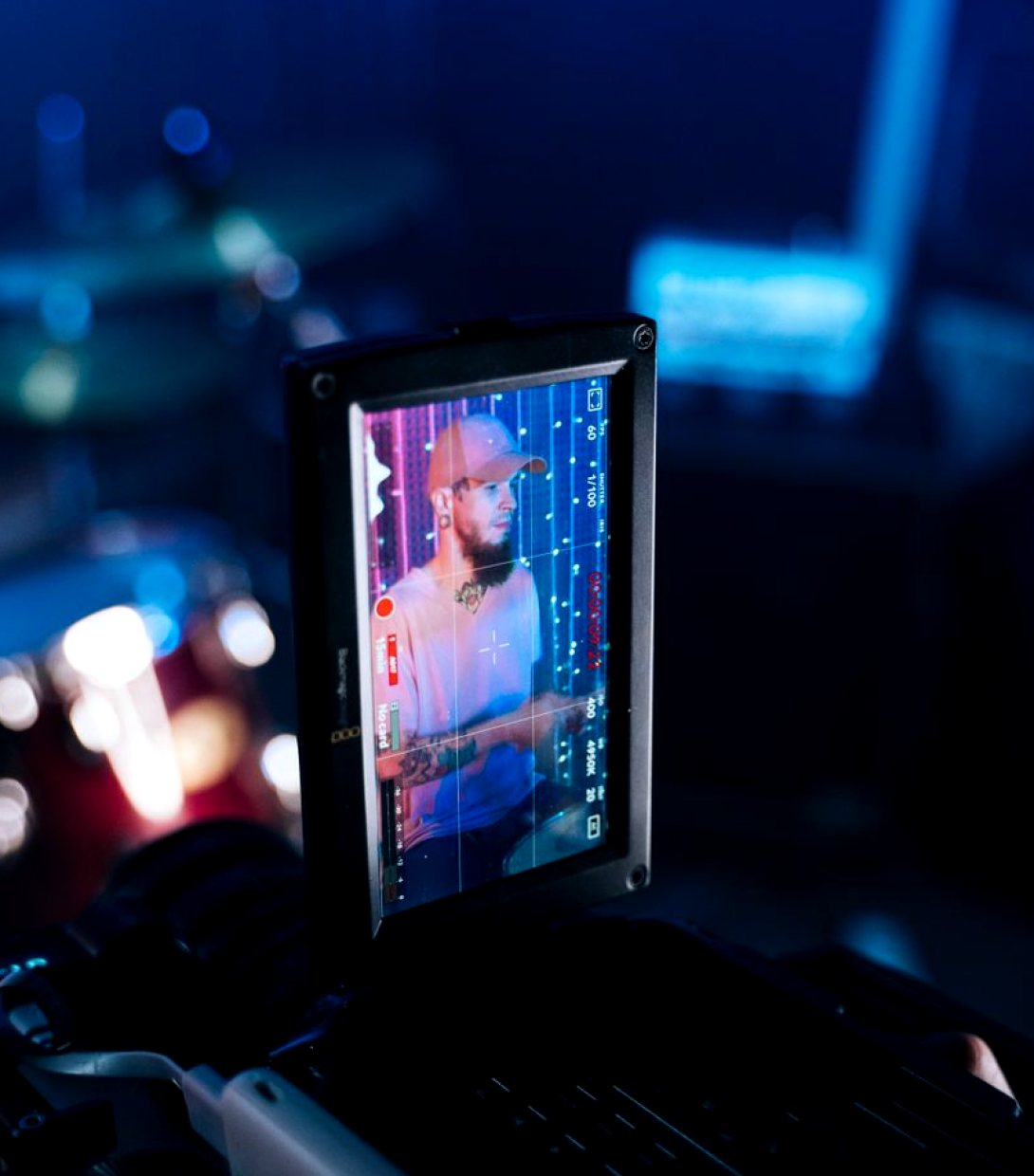
Why the season changes the broadcast plan
Most of our concert and festival work in the warmer months is planned around daylight and dry ground. From mid autumn onwards those assumptions go. The light fades earlier, rain is more likely than not, and the evening sets that used to finish at dusk now run entirely in the dark. None of this stops a stage performance reaching screens, but it changes how the roaming crews and the mobile gallery are prepared.
I write this as a streaming producer who spends a good part of the year talking to organisers about what they want the audience to see. The conversations in these weeks are different. People ask less about sunset shots and more about whether the picture will hold up when the stage lighting is the only light on the field.
The advice below comes from how we plan the coming months for concerts and festivals, whether the feed goes to a venue screen, a streaming audience or both. It is practical rather than technical, and most of it can be settled well before anyone loads a vehicle.
Light levels and what the cameras will see
With less natural light, the stage rig does most of the work for the cameras. We ask for a lighting plan early, ideally with a note of where the strongest colour washes and strobe passages fall. Deep red and saturated blue are the usual trouble spots on camera, and knowing them in advance lets the vision mixer and the camera operators prepare for them instead of reacting live.
Walk the site with the lighting designer if you can, or at least share the cue list. A short conversation about haze levels helps too, because heavy haze softens detail on the long lenses and changes where we place cameras for the cleanest wide shots.
If your event runs across the late afternoon into the evening, the changeover from daylight to stage light is the hardest stretch to match. We plan a shading pass at that point so the first dark songs do not look like a different show from the opening act.
- Share the lighting plan and cue list before the technical rehearsal
- Flag strobe, deep red and saturated blue passages in advance
- Allow a shading pass during the daylight to stage-light changeover
Cables, kit and damp ground
Wet grass and standing water are the main physical risks from now on. Camera cable, fibre and power runs that were simply laid across a dry field in summer need to be raised, covered or routed along firmer ground. Callum Ashworth, our technical engineer, keeps connections off the floor wherever possible and uses weatherproof housings at every joint that cannot be avoided.
Equipment also needs protection between shots, not just during them. Camera operators on open positions need rain covers ready before the first drop, not after, and a dry place to swap them. We build that into the position plan, with space for a small shelter at each fixed camera.
Condensation is the quieter problem. Kit moving from a cold vehicle into a warm tent or marquee can fog lenses and monitors, so we allow time for equipment to settle before the line check. It costs a little in the schedule and saves a lot on air.
- Raise or cover cable runs and route them along firmer ground
- Provide rain covers and a dry swap area at each fixed camera
- Leave settling time for kit moving between cold and warm spaces
Crew comfort and the length of the day
A roaming camera operator standing still in cold, damp conditions for several hours will not hold a steady frame for as long as one in summer. We rotate positions more often in the colder months and agree short breaks with the stage manager, timed around quieter points in the running order rather than imposed at random.
Hot drinks, warm layers and somewhere dry to sit are not luxuries on a long outdoor day. They are the difference between a crew that is sharp at the final encore and one that is merely present. If you are the organiser, check that crew welfare is in the site plan alongside the technical requirements.
Communication matters just as much. On a dark, noisy site the talkback channel is the thread that holds the crew together, so we test it at every position before doors open and carry spare headsets for exactly the reason you would expect.
Power, connectivity and a plan for failure
Cold weather puts more strain on power supplies, and autumn events often add heaters, extra lighting and food stalls to the same site supply. We agree the power budget with the organiser early and keep the broadcast feeds on their own protected circuit wherever the site allows it.
For anything going out online, connectivity deserves its own conversation. Mobile networks on a crowded field are rarely reliable, so we plan a primary route and a separate backup, and we test both at the hour the audience will actually be there, not on a quiet morning.
Priya here, speaking as the person who answers when a feed drops: decide beforehand what the audience sees if something fails. A slate, a held shot or a pre-recorded loop is easy to prepare and far kinder than silence.
- Agree a power budget and a protected circuit for the broadcast
- Plan a primary and a backup connection and test both at show time
- Prepare a slate or loop to cover any interruption
A short planning calendar for the next few months
Start the conversation with us earlier than you would for a summer event. Sunset times, site access and venue screen positions all take longer to settle when the weather is a variable, and a visit to the site in similar conditions to the event day tells us more than any drawing.
In the weeks before the date, we confirm the running order, lighting plan, power and connectivity, and agree who makes the call if weather forces a change. In the final days we check the forecast and confirm cover for each camera position and for the mobile gallery.
On the day, the aim is simple: the crew is warm, the kit is dry, the feeds are protected and everyone knows the plan. Good preparation is what lets a live broadcast feel unhurried even when the conditions are not.
A concert or festival broadcast in the colder months is entirely achievable, but it rewards early planning more than any other time of year. Think about light, damp, comfort, power and a fallback before the day, and the roaming crews and mobile gallery can do their work calmly. If you are weighing up an event for the coming weeks, get in touch and we can talk it through.
You may also like
-
Where Should the Producer Sit? Control Room Layout Questions Answered
The question we hear most when planning a gallery: who sits where, and why. Rhys Pemberton walks through desk order, sightlines and talkback so a crew can work without raising its voice.
-
Common Multi-Camera Switching Mistakes and How to Avoid Them
Most problems in a live cut come from preparation, not from the vision mixer's hand. Here are the mistakes we see most often in multi-camera switching, and the habits that prevent them.
Get in touch
Write to us: hello@storylinki.info