
Inside the Gallery: How a Live Cue Actually Lands on Time
A senior vision mixer walks through the playback, replay, graphics and routing work that runs behind a live show, and the small habits that keep every cue on time.
6 min read
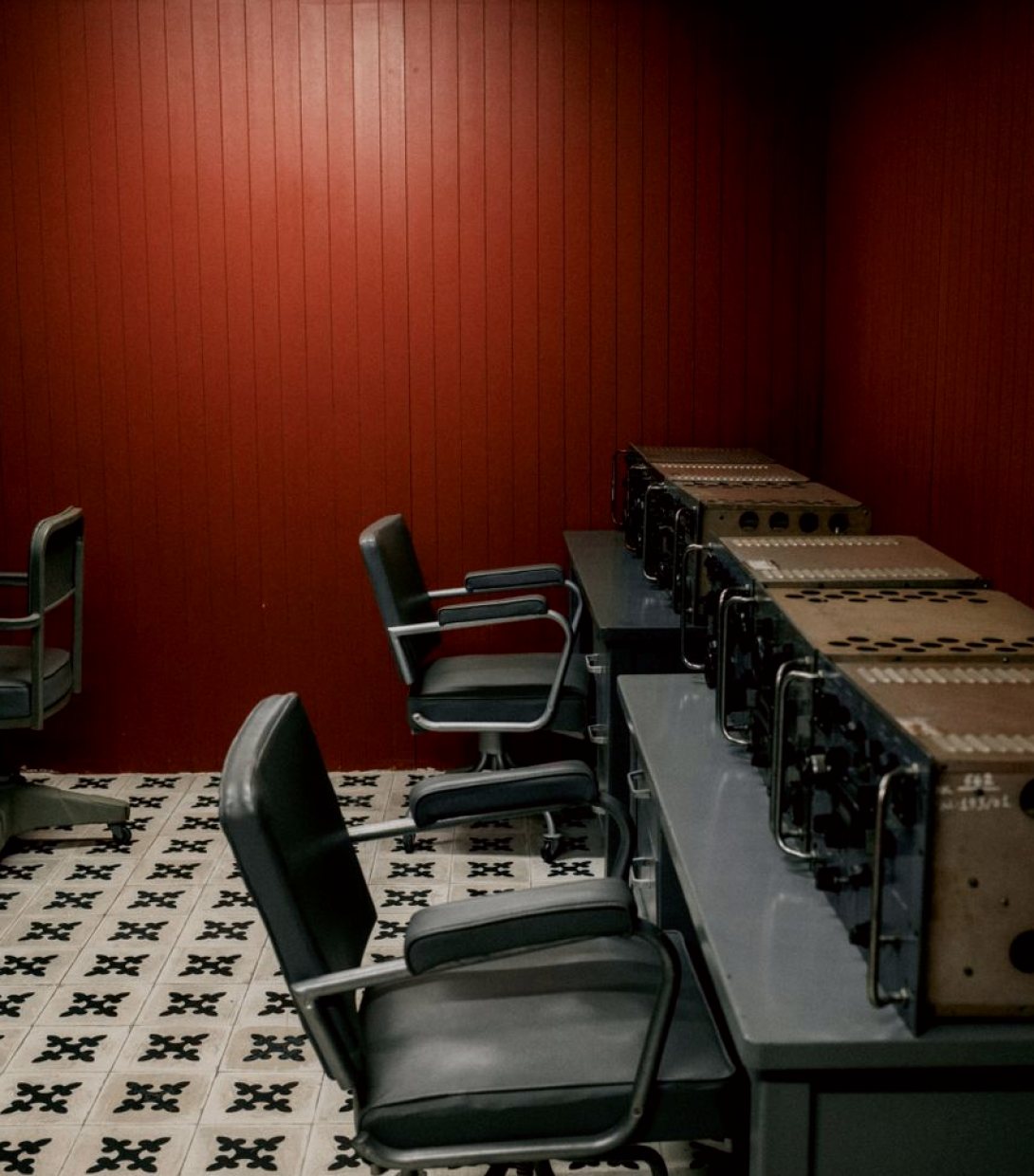
The desk before the doors open
Most of what the audience never notices happens long before the first camera goes live. On a typical show day I arrive to find the operators already working through the run sheet line by line, checking each playback clip, each lower-third and each routing preset against the producer's latest version. Real-time video operation is less about quick fingers than about knowing, in advance, exactly what each button will do.
We start by walking the signal path from source to output. Every input is named on the desk the same way it is named on the monitor wall and in the comms, so that when the director says a source, nobody has to translate. Callum checks the routing and the monitoring while the operators load their material, and any mismatch gets fixed before rehearsal rather than during it.
Mid autumn brings earlier dark and more evening shows, which means lighting changes affect how cameras behave, so we recheck exposure as well.
- Run sheet checked line by line
- Every source named identically on desk, wall and comms
- Routing and monitoring verified before rehearsal
Playback: clips that behave
Playback sounds simple until a clip starts a beat late in front of a live audience. We load every roll-in, sting and bumper into the playback system in running order, then play each one through to its final frame, not just its opening seconds. Audio levels are set against the show's mix, and any clip that sits too hot or too quiet is flagged to the producer straight away.
The operator on playback works from cue points, not guesswork. Each item has a clear in, a clear out and a named follow-on, so a clip that finishes early or runs long has an agreed fallback. I like to ask who will call each cue and in what words, because a phrase everyone recognises is faster than a clever one.
We also keep a spare version of anything critical, in a different format where the system allows it. It is rarely needed, but changing a file takes seconds when it has been prepared and minutes when it has not.
Replay and the art of the short window
Replay is the part of the gallery that most rewards patience. The operator is recording everything, marking moments as they happen, and keeping a queue of candidates so the director can choose rather than wait. On a concert that may mean a guitarist's solo or a crowd reaction; on a studio programme it might be a guest's best answer.
The working rule is to mark generously and trim later. A marked moment that is never used costs nothing, while an unmarked one is gone for good. Good replay operators also learn the director's taste, offering the angle that tends to be wanted before it is requested.
Timing matters as much as selection. A replay has to enter at a quiet point and leave cleanly, so the operator watches the live programme output as closely as the recording, ready to hold, speed up or abandon a clip if the show moves on.
- Mark generously, trim afterwards
- Offer the preferred angle first
- Watch the live output while cueing
Graphics: names, numbers and timing
Graphics look like a design job, but on air they are an operating job. Names, titles, scores and sponsor panels are loaded in advance, and the operator's task is to fire the right one at the right second. A misspelt name is easy to prevent and painful to correct live, so every text item is read aloud against a source document before the show.
We keep a clear order in the graphics list that mirrors the run sheet, and we avoid last-minute edits unless the producer confirms them. When a change must happen, it is made in a copy, checked, and only then promoted, so the version on air is never half-edited.
Timing is the quiet skill here. A caption should appear just after the shot settles and leave before the next cut, which means the graphics operator listens to the director's calls and anticipates the vision mixer rather than reacting to the picture.
Routing: the invisible switchboard
Routing decides where every signal goes, and it is where small errors become large ones. A source sent to the wrong output can put an unrehearsed feed on air or leave a screen in the venue blank. We keep routing presets for each segment of a show, so a change of scene is one deliberate action rather than a series of manual patches.
Callum documents each preset and labels it plainly. If something unexpected happens, such as a camera failing or a feed dropping, the operator can switch to a known fallback preset without hunting through menus. We practise these moves in rehearsal, because the first time anyone tries them should never be live.
Comms sit alongside routing, and we treat them as part of the same system. Short, clear instructions, one voice at a time, and a habit of repeating a cue back keep a busy gallery from turning into noise.
- Presets prepared per segment
- Known fallback for every critical source
- Fallback moves rehearsed, not improvised
What rehearsal is really for
A good rehearsal is not a dress run of the happy path. We use it to break things deliberately: a clip that will not play, a graphic that needs correcting, a camera that has to be dropped. Seeing how the team responds tells us more than a flawless pass ever could.
Afterwards we collect notes from each position, since the playback, replay and graphics operators all notice different problems. Fixes are made and checked before the show, and anything that cannot be fixed is agreed as a plan, with an owner and a fallback.
By the time the show begins, the aim is that nobody in the gallery is surprised. Calm is not a personality trait here; it is the result of having decided in advance what happens when something goes wrong.
Live video operation looks like speed from the outside, but from the inside it is preparation made visible. Named sources, marked clips, checked graphics, rehearsed fallbacks and plain talkback let each cue land when it should. When the work is done properly, the audience sees a smooth programme and the gallery has had a quiet, almost uneventful night.
You may also like
-
Stand-by, Cue and Go: Gallery Calls Explained in Plain Words
A producer's three-word rhythm of stand-by, cue and go keeps crews, cameras and graphics in step. Here is what each call asks of you and why the order matters.
-
How our roaming crews and mobile gallery approach autumn concerts
A look at how the Concert and Festival Broadcast offer works in practice these weeks: the roaming camera crews, the mobile gallery and what organisers can expect from us on site.
-
The Encoders, Graphics Engines and Monitors Behind Our Streams
A look at the tools Priya's streaming crews rely on: encoding, graphics, signal monitoring and backup paths, and why each one earns its place on a live online production.
Get in touch
Write to us: hello@storylinki.info